
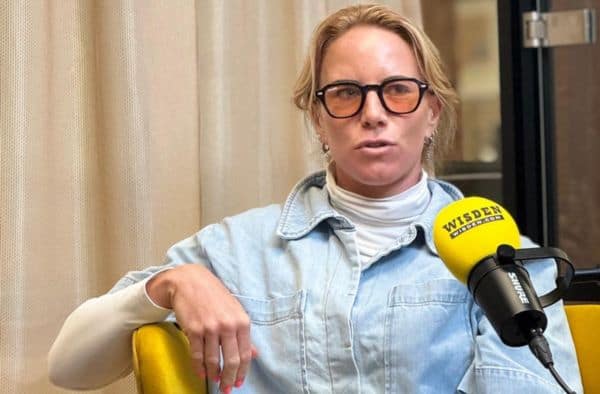
The leadership structure in The Hundred Women’s сompetition 2026 has become a major talking point after former England wicketkeeper-batter Lauren Winfield-Hill criticised the decline in English captains across the tournament. Speaking on Wisden’s Women’s Cricket Weekly Podcast, Winfield-Hill described the trend as “disappointing” and warned that it could affect the future of England’s leadership pipeline.
The debate has placed fresh attention on Women’s Hundred leadership, with many questioning whether franchise cricket is doing enough to prepare future leaders for the England national team.
Sharp Drop in English Captains
One of the biggest concerns is the significant decline in the number of domestic captains.
In the 2025 edition of the competition, five of the eight teams were led by English players. However, following the 2026 player auction and the arrival of private investment in the franchises, that number has dropped to just three.
The current Women’s Hundred captains from England are Charlie Dean (London Spirit), Hollie Armitage (MI London), and Dani Gibson (Sunrisers Leeds).
The remaining teams are led by overseas stars. Birmingham Phoenix are captained by Australia’s Ellyse Perry, Manchester Super Giants by Meg Lanning, Southern Brave by Sophie Molineux, Trent Rockets by Ashleigh Gardner, and Welsh Fire by New Zealand captain Sophie Devine.
The reduction in English captains in The Hundred has sparked concerns about the long-term impact on domestic cricket.
Private Investment Changing Priorities
Winfield-Hill believes the growing influence of private ownership has played a major role in this shift.
Following the England and Wales Cricket Board’s decision to sell 49 percent stakes in the franchises, several teams are now backed by private investors and international franchise groups. According to Winfield-Hill, commercial interests may now have greater influence over leadership decisions.
She suggested that globally recognised players are often seen as more valuable because of their ability to attract fans and increase the competition’s profile. While this benefits marketing, it may reduce opportunities for English players to develop as captains.
Concerns for England’s Future Leadership
The debate around Women’s Hundred leadership comes at an important time for English cricket.
After Heather Knight stepped down as England captain, the national side has been searching for the next generation of leaders. While experienced players such as Nat Sciver-Brunt remain available, experts believe more domestic players should be given leadership opportunities before they reach the international stage.
The lack of captaincy roles for younger talents such as Alice Capsey, Sophia Dunkley, and Freya Kemp has also raised questions. Many believe franchise cricket should provide these players with valuable leadership experience rather than relying heavily on overseas stars.
Developing future England women’s cricket captains requires consistent opportunities in high-pressure competitions, something critics feel is currently missing.
Comparison with Other Franchise Leagues
Supporters of greater domestic leadership point to other major women’s competitions around the world.
The Women’s Premier League in India has made efforts to promote Indian leaders, while Australia’s Women’s Big Bash League has regularly given emerging Australian players captaincy responsibilities to prepare them for higher honours.
These examples have strengthened the argument that franchise cricket should play an active role in developing future national captains instead of focusing mainly on internationally established names.
An Important Debate for the Future
The discussion surrounding Women’s Hundred captains goes beyond one tournament. It raises broader questions about balancing commercial success with player development.
While overseas captains bring world class experience and proven leadership, giving more opportunities to domestic players could strengthen England’s long-term future. As the competition continues to evolve under private ownership, how teams approach Women’s Hundred leadership will remain a closely watched issue for players, coaches, and fans alike.
