
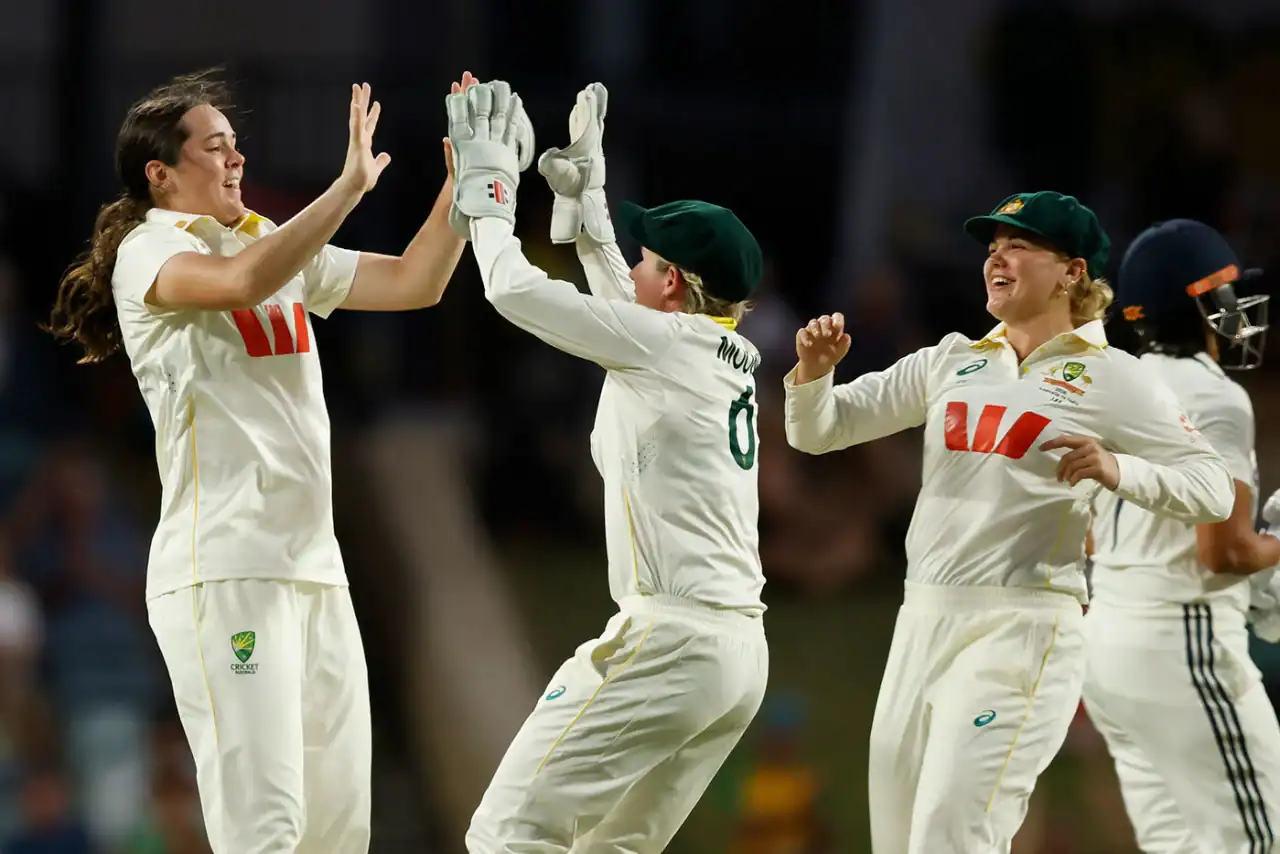
Women’s cricket is entering a new era. For many years, Australia has dominated world cricket with incredible consistency across formats. They remain the answer to the question, “Who is the most successful team in women’s cricket?” with multiple World Cup titles and a powerful winning culture.
However, the global balance in women’s cricket is slowly changing. New leagues, stronger domestic systems, and investment in young talent are helping several countries close the gap. The race to become the “next superpower in women’s cricket” is now more competitive than ever.
Among all the rising teams, India appears to have the strongest future core for long-term dominance.
Australia Still Set the Standard
Australia remain the benchmark in women’s cricket because of their deep player pool and strong development system. Even when senior players retire, new stars quickly step into the squad.
The Women’s Big Bash League has played a major role in maintaining Australia’s success. Young players regularly compete in high-pressure matches before entering international cricket.
Players like Phoebe Litchfield and Lucy Hamilton already represent the next generation of Australian talent. Combined with experienced names like Ellyse Perry and Beth Mooney, Australia continue to remain one of the strongest teams in world cricket.
This is why many still believe Australia are the future dominant team women’s cricket despite growing competition from other nations.
India’s Rise Looks Unstoppable
When discussing “Which team is predicted to have a successful future in international cricket?”, India now stands out strongly.
India’s growth in women’s cricket has accelerated rapidly over the last few years. Their recent international success and expanding player depth show that they are no longer just challengers. They are becoming genuine favorites in global tournaments.
One of the biggest reasons behind this rise is the Women’s Premier League. The WPL has transformed India’s domestic cricket structure by giving young players exposure to world-class competition and pressure situations.
Young Indian stars are now developing much faster than before.
Shafali Verma continues to be one of the most destructive opening batters in the game. Her fearless powerplay batting can completely change matches within a few overs.
Richa Ghosh has also become one of the most exciting wicketkeeper-finishers in world cricket. Her ability to attack from the very first ball gives India a major advantage in T20 cricket.
Shreyanka Patil adds balance with her off-spin bowling and lower-order batting. She represents the new generation of Indian all-rounders shaped by franchise cricket.
India’s young core is talented, aggressive, and already experienced at the highest level.
South Africa Are Becoming Serious Contenders
South Africa have quietly developed into one of the strongest teams in women’s cricket. Their recent performances in ICC tournaments show major improvement in handling pressure matches.
Under Laura Wolvaardt’s leadership, South Africa have built a balanced side with quality batting, fast bowling, and athletic fielding.
Young players like Karabo Meso and Annerie Dercksen add excitement to a squad already featuring experienced match-winners like Marizanne Kapp and Nadine de Klerk.
South Africa may not yet have the depth of Australia or India, but their overall structure is improving rapidly.
The Future of Women’s Cricket
Women’s cricket is no longer dominated by only one team. The sport is entering a highly competitive period where several nations have the ability to challenge for trophies consistently.
Australia still remain the gold standard because of their unmatched system and winning mentality. South Africa continue to rise steadily with a strong generation of players.
But India appear to possess the highest long-term ceiling. Their financial strength, massive talent pool, franchise system, and young stars make them the strongest candidates to become the next global superpower in women’s cricket.
The coming decade could finally witness a major shift in world cricket’s balance of power.
