
The ICC Women’s T20 World Cup 2026 is set to take place in England and Wales from June 12 to July 5. As the world’s best teams prepare for the tournament, two factors could play a major role in deciding the champion: squad depth and spin bowling strength.
England is often known for helping fast bowlers, but a long tournament played across several venues can change pitch conditions. As matches continue through the summer, surfaces may become slower, making spin bowling more important than ever.
As a result, many of the strongest squads for women’s T20 World Cup 2026 have focused heavily on building quality spin attacks.
Australia’s Balanced and Powerful Spin Unit
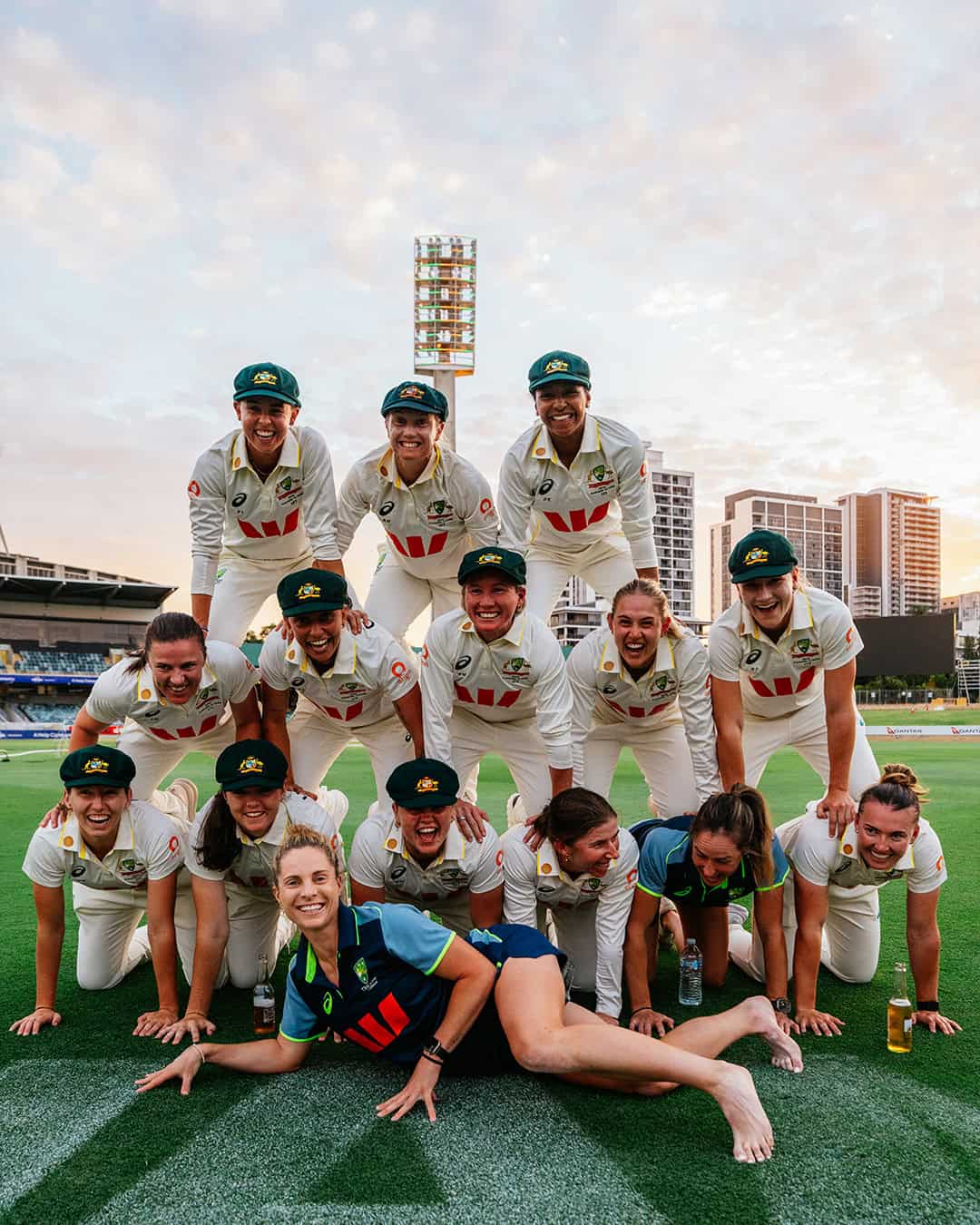
Australia enters the tournament as one of the favourites. Under new captain Sophie Molineux, the six-time champions have created a squad with incredible depth and flexibility.
Their spin attack is built around Molineux and Ashleigh Gardner, who bring control and experience. Australia also has Georgia Wareham and Alana King, giving them two excellent wrist spin options.
This variety makes Australia one of the teams with the best spin attacks in women’s cricket. They can adapt to different pitch conditions and challenge batters in multiple ways.
Australia’s strength does not stop there. With players like Ellyse Perry, Tahlia McGrath, and Annabel Sutherland, they have batting and bowling options throughout the lineup. Their deep squad allows them to recover from difficult situations and remain competitive in every match.
England Banking on Home Conditions
Hosts England have built a squad that could be perfectly suited to local conditions. Led by Nat Sciver-Brunt, England plans to use spin as a major weapon during the middle overs.
Sophie Ecclestone remains the leader of their bowling attack. Her accuracy and consistency make her one of the most dangerous spinners in the game. Charlie Dean adds another reliable option, while young spinner Tilly Corteen-Coleman could become one of the surprise stars of the tournament.
England also has a strong batting group featuring Danni Wyatt-Hodge and Alice Capsey. Combined with a quality pace attack, they have one of the strongest squads for women’s T20 World Cup 2026.
India’s Strength Lies in Versatility
India arrives with a squad full of all-round talent. Captain Harmanpreet Kaur has several spin options that can be used in different situations.
Deepti Sharma remains the key figure in India’s bowling plans. Her ability to bowl in any phase of the game gives India great flexibility. She is supported by Radha Yadav and Shreyanka Patil, creating a balanced spin unit.
India’s batting lineup also looks strong with Smriti Mandhana and Shafali Verma at the top. The return of Yastika Bhatia adds further balance, while younger players provide useful backup options.
New Zealand Relying on Experience
Defending champions New Zealand will once again depend heavily on Melie Kerr. One of the leading spin bowlers in the world, Kerr can change games with both bat and ball.
The team also benefits from the experience of Sophie Devine and Lea Tahuhu. However, compared to Australia and England, New Zealand’s squad depth appears slightly thinner.
Their success may depend on senior players delivering consistently throughout the tournament.
Who Has the Edge?
When comparing the best spin attacks in women’s cricket, Australia appears to have the most complete package. Their mix of finger spin, wrist spin, experience, and squad depth gives them a slight advantage.
England’s home knowledge, India’s versatile spin options, and New Zealand’s experienced core make them serious contenders as well. As the Women’s T20 World Cup 2026 unfolds, the battle between these powerful spin attacks could ultimately decide who lifts the trophy.
