
Women’s T20 cricket has changed massively over the last few years. The game is now faster, more attacking, and far more tactical than ever before. As teams prepare for the ICC Women’s T20 World Cup 2026 in England, it is clear that the old style of slow and careful cricket is disappearing quickly.
The rise of tournaments like the Women’s Premier League and the Women’s Big Bash League has helped players improve their power hitting, fitness, and game awareness. Modern teams now focus on scoring quickly, using data smartly, and keeping pressure on opponents throughout the match.
This major change has completely transformed the evolution of women’s T20 cricket.
Strike Rate Has Become More Important Than Average
One of the biggest changes in modern women’s cricket is the focus on strike rate. Earlier, batters were judged mainly by how long they stayed at the crease and how high their average was. Now teams care more about scoring speed.
In the modern game, players are expected to attack from the very first ball. Teams no longer aim for totals around 140 runs. Instead, scores between 170 and 190 are becoming common in major tournaments.
This shift explains how women’s cricket became more aggressive in recent years. Batters are trained to look for boundaries constantly instead of slowly building innings.
Domestic competitions have shown this clearly. Teams in tournaments like the Women’s T20 Blast are regularly crossing the 200 run mark. Lower order players are also learning to hit at strike rates above 180 during the final overs.
Powerplay Batting Has Completely Changed
Modern teams now treat the powerplay as the most important phase of the innings. Instead of playing safely during the first six overs, teams aim to score 60 to 70 runs quickly.
This attacking style puts pressure on bowlers and captains immediately. Opponents are forced to spread the field earlier than planned, which creates even more scoring opportunities.
Another major part of modern women’s cricket tactics is the use of specialist finishers. Teams now prepare players for very specific match situations.
For example, some batters are selected mainly to attack spin bowlers during the death overs. Players are practicing innovative shots like reverse scoops, ramps, and sweeps to break bowling plans.
Technology and Data Are Driving Team Decisions
Data analysis has become one of the most important parts of women’s cricket. Coaches and analysts now use detailed information before and during matches.
Teams study which bowlers trouble certain batters, how pitches change during games, and where fielders should stand based on past scoring patterns.
This use of technology has improved modern women’s cricket tactics significantly. Captains now make quicker and smarter decisions because they have stronger information available.
Teams also use live match tracking to decide whether pace bowlers or spinners should attack during certain stages of the innings.
Bowling and Fielding Standards Have Improved
As batting has become more aggressive, bowlers have also adapted. Modern bowlers now use slower balls, yorkers, cutters, and wide lines far more effectively.
Top spinners like Sophie Ecclestone continue to succeed because of accuracy, smart variations, and strong control under pressure.
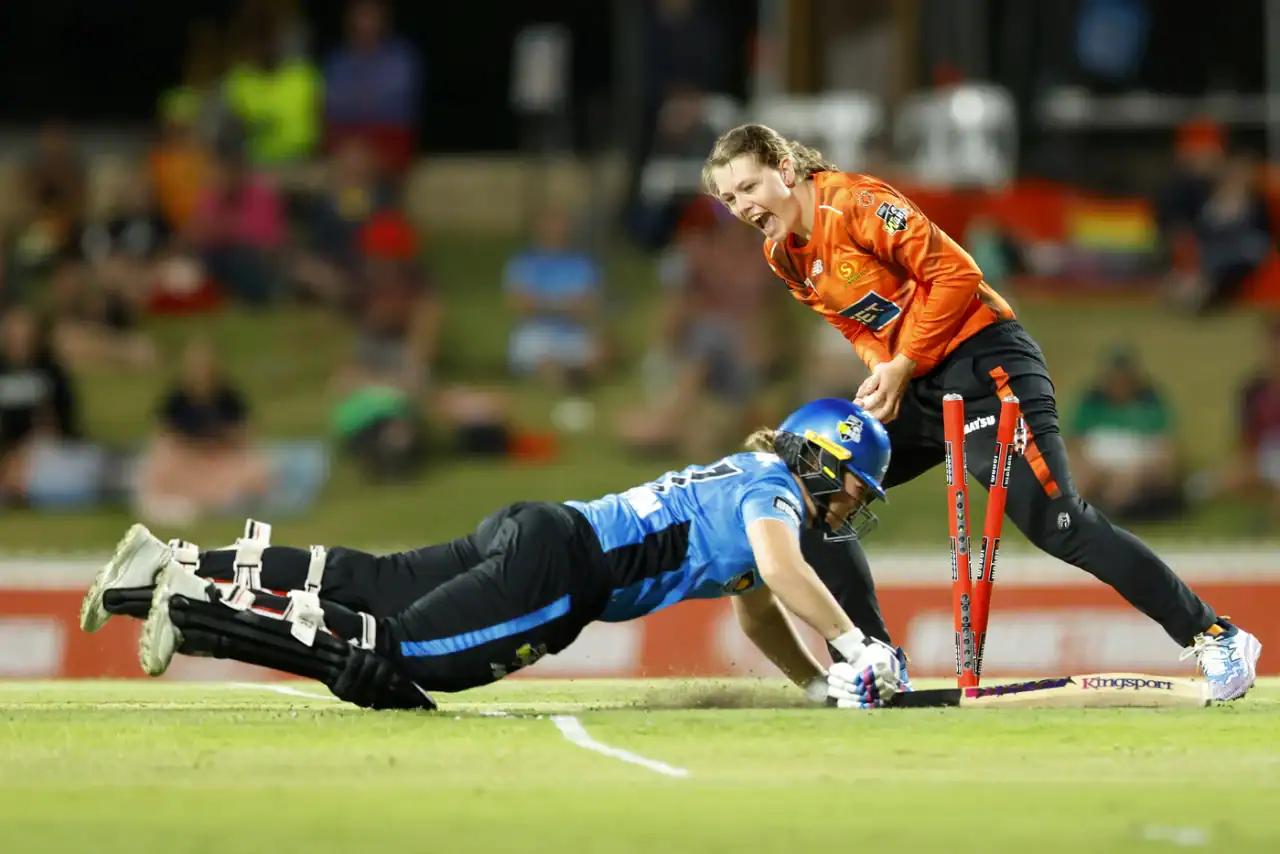
Fitness standards have also improved massively. Fielders are now saving extra runs through diving stops, quick boundary work, and athletic catches.
This athletic improvement has made women’s cricket much more intense and entertaining.
The Future Looks Even More Aggressive
The Women’s T20 World Cup 2026 will feature 12 teams and 30 group matches, making it one of the biggest tournaments in the history of the sport.
The teams that succeed will likely be the ones that continue attacking fearlessly, trust their data driven plans, and play with confidence from start to finish.
The evolution of women’s T20 cricket is happening quickly, and the modern game is now built around speed, aggression, and smart tactical execution.
