
Women’s cricket is entering a completely new era. The game is growing faster because of franchise leagues, bigger tournaments, and more international matches every year. Teams are no longer depending only on experienced stars. Instead, they are focusing on building young squads that can dominate for the next decade.
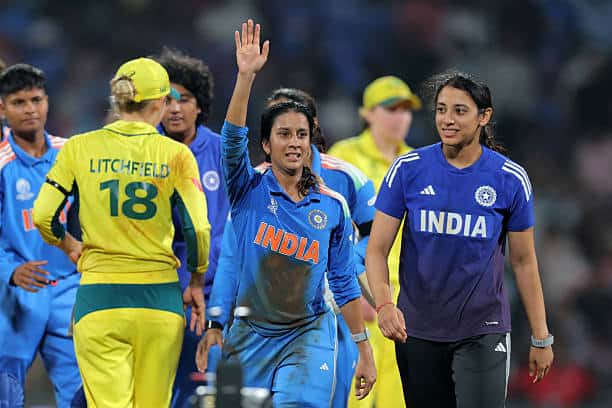
The discussion around the future of women’s cricket teams is now centered on which country has the strongest young core. Based on talent, versatility, and big match experience, India and Australia currently look like the leading sides preparing for the future.
Both teams have exciting young players, but they are building their squads in very different ways.
India’s Young Core Has Massive Potential
India probably has the most explosive group in the conversation around the best young core in women’s cricket. The rise of the Women’s Premier League has helped young Indian players gain experience against top international stars very early in their careers.
Players like Shafali Verma and Richa Ghosh are still very young, but already have years of international cricket experience. Shafali’s fearless hitting makes her one of the most dangerous batters in T20 cricket, while Richa Ghosh has become a reliable finisher in pressure situations.
Shreyanka Patil has also emerged as an important player because of her smart variations and calm bowling during death overs.
India’s future looks even stronger because of the next generation coming through domestic cricket. Young talents like Anushka Sharma and Nandani Sharma have already impressed in high-pressure WPL matches.
This is why many experts believe India could dominate the women’s cricket next generation era. Their players are growing up in a highly competitive and commercial cricket environment.
Australia Continue Building Strong Systems
Australia remain the gold standard when it comes to creating long-term success. Instead of depending only on star power, Australia focus on building players who can fit into multiple roles.
This makes them one of the strongest future-ready women’s cricket teams in the world.
Phoebe Litchfield represents the modern style of fearless batting. She scores quickly but also has the ability to build innings under pressure. Annabel Sutherland has already become one of the best young all-rounders in world cricket.
Fast bowler Darcie Brown gives Australia genuine pace, while Georgia Voll continues to develop into a reliable multi-format player.
The biggest strength of Australia is their system. Domestic competitions like the Women’s Big Bash League continue producing players who are mentally prepared for international cricket.
Whenever a senior player retires, another talented youngster is ready to step in immediately.
England Are Building an Aggressive Young Team
England are also developing an exciting young squad for the future. Alice Capsey has become one of the most fearless batters in women’s cricket, while Lauren Bell adds height and pace to the bowling attack.
Freya Kemp brings balance as an all-rounder and fits perfectly into the aggressive style England want to play.
However, England still struggle with consistency at times compared to India and Australia.
New Zealand Need More Depth
New Zealand still rely heavily on Amelia Kerr, who remains one of the best players in women’s cricket. But compared to India and Australia, their young player system does not look as impressive.
The White Ferns are trying to close that gap, but they still need more emerging talent to support their stars.
Who Looks Most Ready for the Future?
Australia remain the safest and most complete option because of their strong structure and consistency. But if the focus is on raw talent and long-term potential, India may have the highest ceiling.
The combination of WPL exposure, fearless batting, and strong spin talent makes India one of the most exciting future-ready women’s cricket teams in the world.
As the game continues growing, the battle between India and Australia could define the next chapter of the women’s cricket next generation era.
